
Mold Remediation in Marco Island, FL
Two major hurricanes, thousands of closed-up second homes and a coastline of condo towers: Marco Island's mold questions are its own. We connect island owners with Florida-licensed mold assessors and remediators for free quotes.
Get a Free QuoteTwo storms Marco Island homes still remember
Marco Island, the largest barrier island in the Ten Thousand Islands, sits right where two recent hurricanes did their work.
Irma, September 10, 2017
Irma made landfall on Marco Island at 3:35 PM as a Category 3 storm with 115 mph winds. NWS Miami reported 2–4 feet of surge, mostly on the island's south and east sides, and a spotter measured 112 mph sustained winds with a 129 mph gust. Power outages lasted more than a week across much of Collier County, leaving homes without AC in September heat.
Ian, September 28, 2022
The National Hurricane Center reports 4–6 feet of inundation above ground from Marco Island through Everglades City, with the highest high-water mark on the island at 4.7 feet above ground. A USGS sensor on Marco recorded a 7.38-foot storm tide. NWS Miami put island damage at about $256 million.
Water that sits in drywall, insulation and cabinets is where post-storm mold starts. EPA's mold guide says water-damaged areas should be dried within 24–48 hours. Our hurricane and storm-surge mold page covers what licensed pros typically look for in walls that were flooded.
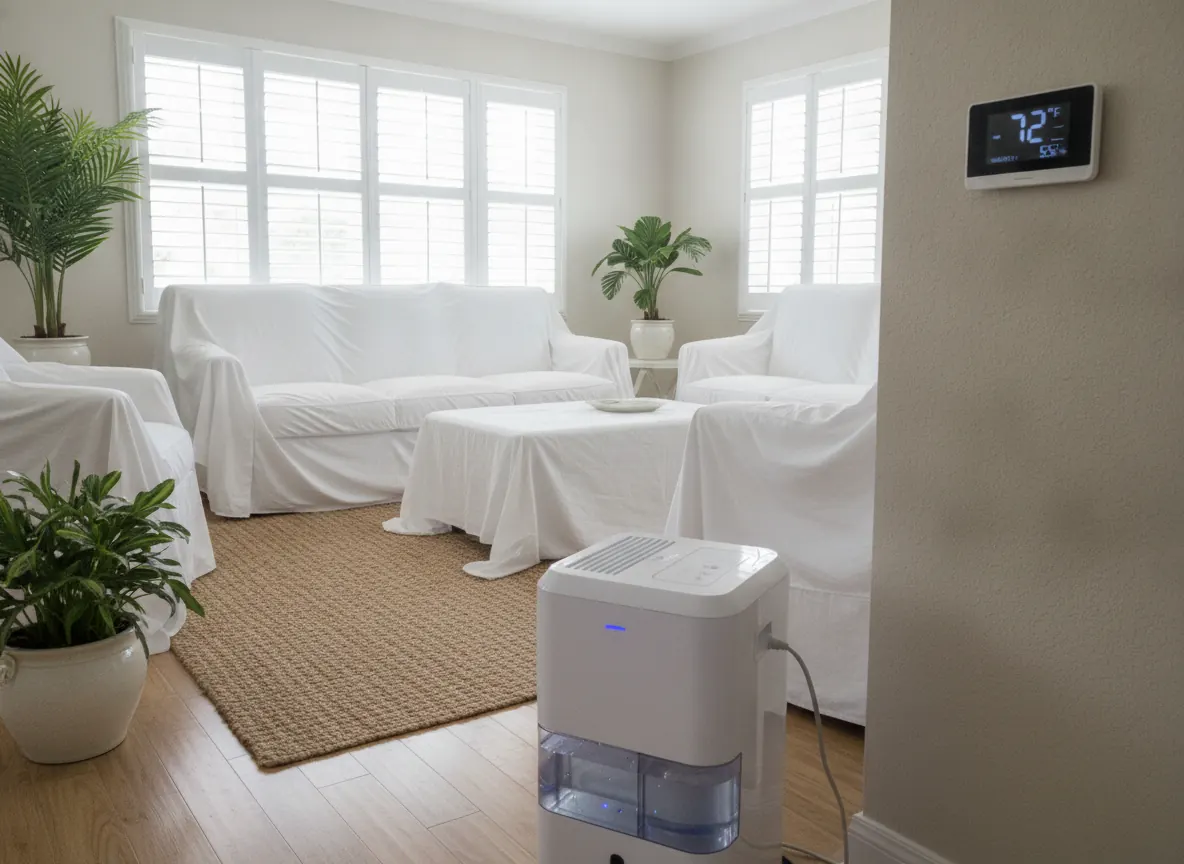
Nearly half the island sits empty for part of the year
About 49.2% of all housing units on Marco Island, roughly 9,100 homes, are vacant for seasonal, recreational or occasional use (ACS 2024 5-year, B25004). That is the highest share of any community we cover. Among year-round residents, 89.4% own their homes.
A home closed up from spring to fall sits through the wettest, most humid part of the year. NOAA normals show about 66% of Naples' annual rain falls June through September. UF/IFAS's guide to closing a seasonal home says to leave the AC "no higher than 85 degrees (F)" and to have the humidistat calibrated. See seasonal and second-home mold for the full closing checklist.
Condos, shared walls and island permits
About 56.4% of Marco Island's housing units are in buildings with 5 or more units, so many mold problems involve a neighbor's leak, a shared wall or a common-element pipe. Our condo and HOA mold page explains how Florida's condo statute splits responsibility, and why your governing documents and insurance control the answer.
Marco Island has been its own city since 1997, so ask the city's building department about permits before rebuilding.
Typical national ranges from cost guides, 2025–2026 (not quotes): small jobs of about 50 square feet run $500–$1,500, and medium areas of 100–200 square feet $1,000–$6,000. The cost guide has the full table.
Marco Island mold FAQ
How high did Hurricane Ian's water get on Marco Island?
The National Hurricane Center's report on Ian lists inundation of 4 to 6 feet above ground from Marco Island through Everglades City, with the highest high-water mark on Marco Island at 4.7 feet above ground. NWS Miami put Ian's damage on Marco Island at about $256 million. Homes that took on water then often need their walls checked for hidden mold.
My Marco Island condo was closed all summer and smells musty. What now?
Start by noting where the smell is strongest and whether the AC ran while you were gone. UF/IFAS advises keeping the AC no higher than 85°F in a closed seasonal home. If you see growth larger than about 10 square feet, Florida law treats the cleanup as licensed remediation. Tell us what you found and we'll help you get quotes.
Is condo mold on Marco Island my job or the association's?
It depends on where the water came from, your declaration and the insurance split. Under s. 718.113(1), the association maintains common elements, and s. 718.111(11)(f) leaves items like wall and floor coverings to unit owners. No Florida statute names mold. This is general information, not legal advice; ask your association's attorney or manager.
Can I get mold testing and removal from one company?
Typically not. Florida Statutes s. 468.8419 bars an assessor from remediating a structure it assessed in the past 12 months, and the reverse applies to remediators, with an exception for Division I certified contractors. So the assessor and the remediator are usually separate companies. This is general information, not legal advice.
Also serving
Seeing or smelling mold? Get a clear plan.
Free, no-pressure quotes from Florida-licensed pros across Naples, Marco Island, Golden Gate and Collier County.